
Gafsa & Sned Day Trip: Roman History & Berber Villages
Overview
Excursion Gafsa Sned is the ultimate way to explore the profound history and rugged beauty of the Saharan Atlas. Embark on a captivating full-day journey designed for travelers who wish to go beyond the typical tourist paths to discover the “First Men” of Tunisia and the enduring legacy of the Roman Empire. Starting with a departure from Tozeur, this Excursion Gafsa Sned is meticulously crafted to showcase the immense diversity of the Gafsa Governorate.
Discover the Hidden Gems of Southwest Tunisia
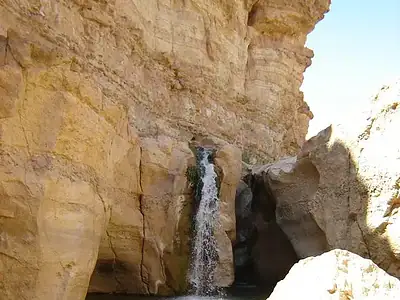
This region is not merely a transit point but a historical sanctuary where the Capsian Culture—a prehistoric civilization dating back over 10,000 years—first flourished. Throughout your Excursion Gafsa Sned, you will witness the seamless blend of ancient industry, such as an antique oil mill, and natural wonders found within the troglodyte caves of the Atlas mountains.
Your adventure includes a visit to the iconic Roman Pools Gafsa, where ancient stone basins still serve as a hub for local social life, fed by natural hot springs. From there, the journey continues to the Sned Berber Village, offering a rare glimpse into the authentic Amazigh lifestyle. This Excursion Gafsa Sned is an all-inclusive experience, featuring a traditional lunch and expert guidance, ensuring a deep connection with the landscape and its people.
Location Description: Gafsa and the Saharan Atlas
The geographical setting of your Excursion Gafsa Sned is one of the most strategic in North Africa. The Gafsa Governorate is located in the southern sector of the Saharan Atlas in Southwestern Tunisia. Positioned perfectly between the high steppes and the vast Sahara, it occupies a specific geographical niche that has made it a crossroads for civilizations for millennia.
A Strategic Crossroads for Your Excursion Gafsa Sned
Gafsa serves as a vital passage zone between the countries of the Arab Maghreb, specifically Libya and Algeria. It is a key link on the Saharan road currently under construction, which connects Tunisia and Algeria to Niger via the Gafsa-Hezoua route. Furthermore, the city acts as a central hub connecting five major governorates within a 100 km radius: Tozeur, Kébili, Sidi Bouzid, Kasserine, and Gabès. This makes the Excursion Gafsa Sned an essential part of any Tozeur excursions itinerary, as it bridges the gap between the northern and southern regions of the country.
Sned: The Berber Stronghold
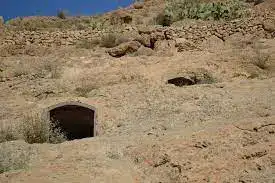
Nestled within the mountain ridges, the Sned Berber Village (also known as Sened) provides a stunning backdrop for the second half of your trip. The village is famous for its troglodyte caves, which provided natural thermal regulation for the early inhabitants of the region. From the heights of Sned, visitors enjoy a magnificent panoramic view of the vast valleys and plains that stretch toward the horizon. The area is also rich in medicinal and culinary flora, which the local Berber communities have utilized for centuries.
Key Historical Landmarks of the Excursion Gafsa Sned
To further enrich your Excursion Gafsa Sned, we explore three distinct eras of Tunisian heritage:
- Prehistoric Roots: Trace the origins of the Capsian Culture. This prehistoric civilization is renowned for its advanced stone tools and early artistic expressions. You can learn more about this era through the Capsian Culture guide on Britannica.
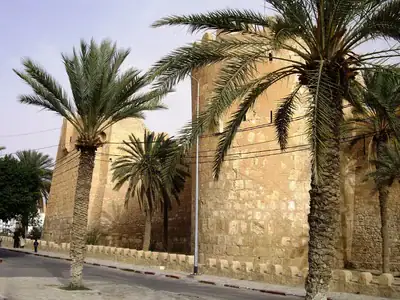
- Roman Heritage: Visit the Roman Pools Gafsa, formerly known as the ancient city of Capsa. These stone basins are a testament to Roman hydraulic engineering and are still a focal point of the city today. For more on the city’s history, visit Tunisia.com’s Gafsa Guide.
- Berber Traditions: Experience the living history of the Amazigh people in the Sned Berber Village. Explore how traditional olive oil extraction worked at an antique oil mill and see how families lived in troglodyte caves. For a deeper dive into these traditions, explore the Lonely Planet guide to Berber towns.
- Agricultural Oasis: The oases of Gafsa are recognized for their unique biodiversity and traditional farming. Discover their global importance on the FAO GIAHS website.
Gallery